Entertainment has always been an integral part of human culture, evolving through various mediums and technologies over the centuries. From ancient rituals and storytelling around fires to today’s immersive digital experiences, the landscape of entertainment has seen significant shifts. The most notable transformation, particularly in the past few decades, has been the rise of digital platforms that have not only changed how we consume content but have also redefined the way it is produced, distributed, and monetized. In this blog post, we’ll explore the evolution of entertainment, the current trends, and where the future is heading.
The Traditional Forms of Entertainment: A Glimpse into the Past
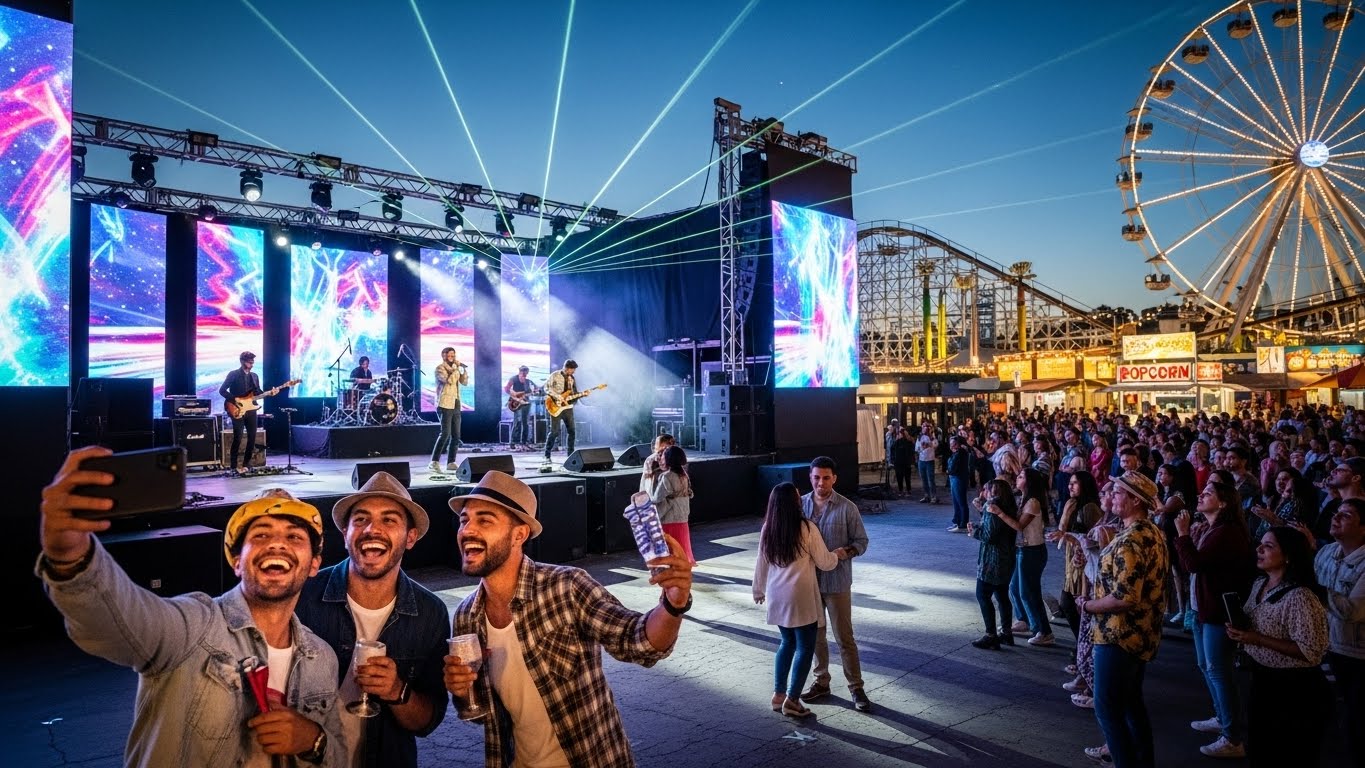
Before the age of television, internet, and mobile devices, entertainment was primarily driven by physical activities and face-to-face interactions. People gathered around campfires, attended live performances, or read books and plays for enjoyment. Traditional forms of entertainment like theater, opera, and music concerts dominated social life, providing a space for communities to connect, share stories, and create memories.
The advent of radio in the early 20th century was the first significant shift, bringing entertainment into the homes of millions. The radio allowed people to listen to music, plays, and news broadcasts, all of which could be enjoyed from the comfort of their living rooms. But the real revolution began with television, which made its way into households across the globe after World War II, becoming the central medium for entertainment for decades.
The Golden Age of Television and Film
By the 1950s and 1960s, television had established itself as the primary source of entertainment for millions. Families gathered around the TV to watch their favorite shows, dramas, news programs, and sports events. Iconic TV series, like “I Love Lucy” and “The Twilight Zone,” became cultural touchstones, shaping societal norms and discussions.
The film industry also experienced a golden age during this period, with Hollywood movies becoming a dominant force globally. Classic films such as “Gone with the Wind,” “Casablanca,” and “The Godfather” have left an indelible mark on the entertainment world, influencing generations of filmmakers and audiences.
However, television and film were still limited by technology, with broadcasting confined to scheduled programming and cinemas requiring people to watch movies at a specific time and place. It wasn’t until the rise of VHS tapes in the 1980s and DVDs in the 1990s that people were able to enjoy on-demand content in their homes. But even then, the pace of entertainment consumption was still far slower compared to today’s standards.
The Rise of the Digital Age: The Internet Revolution
The advent of the internet in the 1990s was the game changer. It opened up a world of possibilities, allowing people to access entertainment content from all over the world. Websites like Napster introduced music sharing, while platforms like YouTube brought user-generated content into the mainstream. People no longer had to rely solely on traditional outlets like TV and radio for entertainment. They could now create and share their own videos, music, and stories.
In the early 2000s, the boom of streaming services began, starting with platforms like Netflix and Hulu, which initially offered DVD rentals by mail but eventually transitioned to streaming movies and TV shows over the internet. This marked the beginning of a seismic shift in the way entertainment was consumed. Traditional broadcast networks saw the writing on the wall, and many began launching their own streaming platforms.
Today, streaming services such as Netflix, Disney+, Amazon Prime Video, and Apple TV have become household names. They provide consumers with an all-you-can-watch buffet of movies, TV shows, documentaries, and exclusive content, available at the push of a button.
The Impact of Mobile Devices and Social Media
In addition to the internet and streaming services, the rise of mobile devices—smartphones and tablets—has further reshaped the entertainment industry. With the proliferation of apps like Instagram, TikTok, and Snapchat, social media platforms have become an entertainment destination in their own right. Users now have access to bite-sized content, whether it’s short videos, memes, or livestreams, all available at any time.
Social media has also empowered content creators, allowing anyone with a smartphone and internet connection to become a producer of entertainment. Platforms like YouTube and TikTok have turned ordinary individuals into influencers, with massive followings and the potential to make significant incomes through brand deals, sponsorships, and merchandise sales.
These changes have led to a shift from passive consumption to active participation. Viewers no longer just watch—they interact with content, share their opinions, create their own videos, and engage in community discussions. Entertainment has become more democratized, giving a voice to diverse creators and allowing people to curate their own content preferences.
The Growth of Gaming and Esports
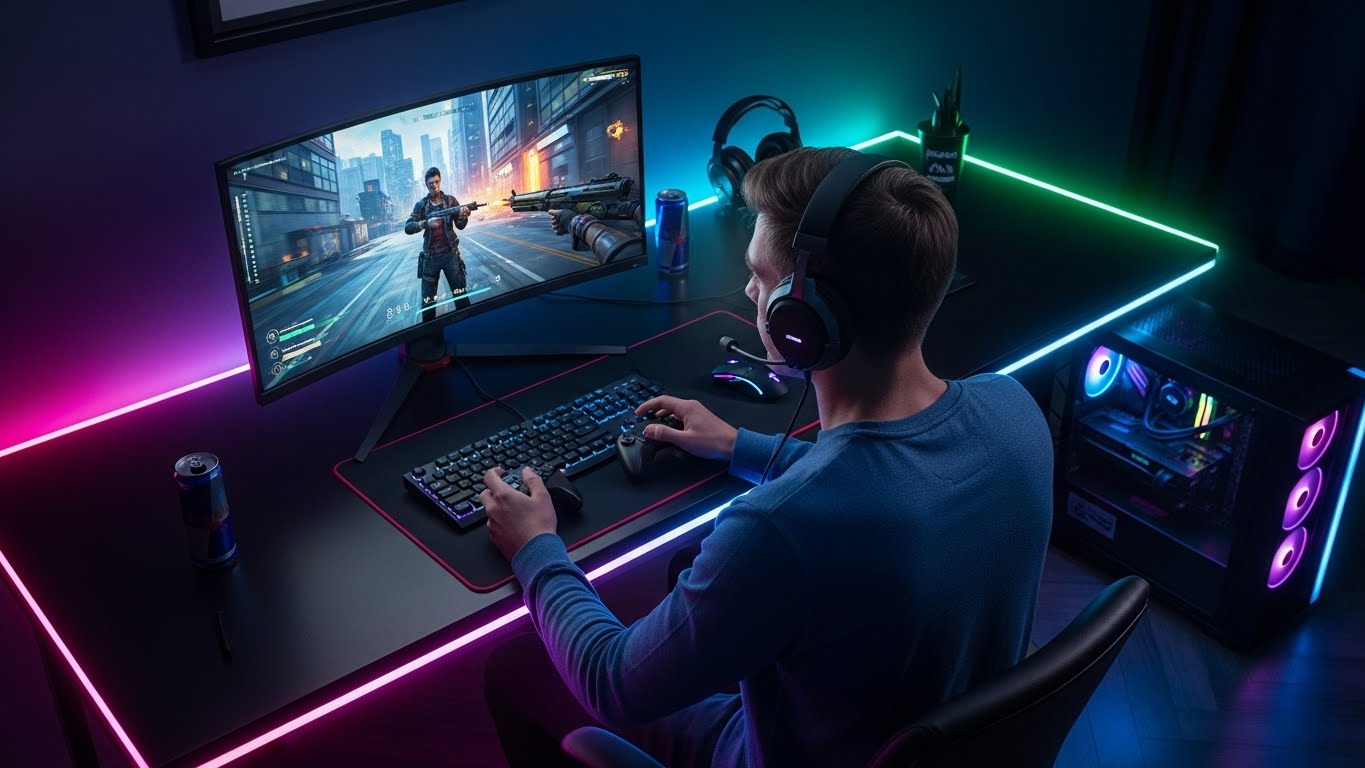
One of the most significant trends in the entertainment world over the past decade has been the explosive growth of video gaming. Once considered a niche hobby, gaming has now evolved into a multi-billion-dollar industry, attracting players from all walks of life. The rise of mobile gaming, in particular, has made gaming accessible to a larger audience, with millions of people playing games on their phones every day.
Esports, or competitive gaming, has also emerged as a major form of entertainment, with professional players competing in tournaments for substantial cash prizes. Streaming platforms like Twitch and YouTube Gaming have created virtual arenas where fans can watch their favorite players compete, often with millions of viewers tuning in for live broadcasts.
In 2023, the global gaming industry is projected to surpass $200 billion in value, cementing its status as a dominant force in entertainment. This growth is driven by innovations in virtual reality (VR) and augmented reality (AR), creating immersive experiences that blend the digital and physical worlds. As gaming continues to evolve, it’s likely that it will become an even more central part of our entertainment experiences in the years to come.
Interactive and Immersive Experiences: The Future of Entertainment
As technology continues to advance, we are seeing the emergence of increasingly immersive and interactive entertainment experiences. Virtual reality (VR) and augmented reality (AR) have already begun to revolutionize gaming and entertainment, offering users a level of immersion previously thought impossible.
VR headsets, like the Oculus Rift, allow users to step into entirely new worlds, whether they’re exploring fantastical landscapes in video games or attending virtual concerts. Similarly, AR applications, such as Pokémon Go, have created new types of interactive experiences by blending digital elements with the physical world.
Additionally, we’re seeing the rise of interactive storytelling. Streaming platforms like Netflix have experimented with choose-your-own-adventure style content, where viewers can make decisions that affect the outcome of the story. The ability to actively shape a narrative in real-time represents a shift in how entertainment is consumed, offering a more personalized and engaging experience.
The future of entertainment seems to be moving toward a blend of virtual worlds and real-world experiences, with immersive technologies continuing to break down the barriers between the two. As these technologies become more mainstream, it’s likely that they will become an integral part of the entertainment experience.
The Social Aspect of Modern Entertainment
One of the key changes in entertainment consumption today is the social element. Streaming platforms allow users to watch content on their own time, but they also provide ways to connect with others through social media, discussion forums, and group chats. Watch parties, live-tweeting, and social media challenges have made entertainment a communal activity once again.
Moreover, virtual events, concerts, and theater performances are now accessible to a global audience. Artists can perform for fans from around the world, and viewers can interact in real-time through live chat and other interactive features. This shift toward more interactive and social forms of entertainment is likely to continue, as platforms find new ways to enhance the shared experience.
Conclusion: The Future of Entertainment
Entertainment is undergoing a dramatic transformation. While traditional forms of entertainment like television and film still have their place, the digital age has brought new ways for people to consume, create, and share content. From streaming services and social media to gaming and immersive experiences, the landscape of entertainment is evolving rapidly.
Looking ahead, the future of entertainment promises to be more personalized, immersive, and interactive than ever before. As technology continues to develop, we can expect even more exciting innovations that will shape how we experience entertainment in the coming years.
For now, one thing is certain: the world of entertainment is vast, diverse, and full of endless possibilities. Whether you’re watching a movie on Netflix, playing a game on your phone, or attending a virtual concert, the ways in which we enjoy entertainment are only limited by our imagination. The future of entertainment is bright—and it’s just getting started.