
Introduction: More Than Just a Pastime
Entertainment is often dismissed as a luxury, something we turn to only after the serious matters of life are handled. In reality, entertainment is woven deeply into our everyday existence. It influences how we think, how we relax, how we connect with others, and even how we understand the world. From movies and music to digital content and live performances, entertainment has evolved into a powerful force that reflects society while also shaping it. In an age of constant motion and pressure, entertainment acts as both a mirror and a refuge, offering meaning, escape, and shared experiences.
The Evolution of Entertainment Across Time
Entertainment has never been static. In ancient civilizations, storytelling, dance, and theater were the primary sources of amusement and education. These early forms were communal, often performed in public spaces where entire communities gathered. As societies advanced, entertainment began to diversify. The invention of print introduced novels and poetry to a wider audience. Later, radio and cinema revolutionized how stories were told, allowing people to experience emotions collectively even while sitting silently in a dark room.
The digital age brought the most dramatic shift. Entertainment became portable, personalized, and instant. What once required travel, tickets, or specific timing is now available on demand. This evolution did not just change formats; it changed habits, expectations, and attention spans. Entertainment today is no longer an occasional event but a constant presence.
Entertainment as Emotional Therapy
One of the most important roles of entertainment is its ability to affect emotions. A song can evoke memories long forgotten. A film can bring tears, laughter, or hope within minutes. Comedy relieves stress, drama offers catharsis, and fantasy provides escape from harsh realities. During difficult times, people often turn to entertainment not to avoid problems, but to survive them.
Psychologically, entertainment helps regulate emotions. It allows people to process feelings indirectly, through characters and stories that mirror their own experiences. This emotional connection creates comfort and reassurance, reminding audiences that they are not alone in their struggles or joys.
Movies and Television as Cultural Storytellers
Movies and television shows are among the most influential forms of entertainment today. They do more than entertain; they shape cultural conversations. Through storytelling, visual art, and performance, they address themes such as identity, love, injustice, ambition, and morality. A powerful film can challenge beliefs, while a well-crafted series can spark discussions that last far beyond the final episode.
Television has also changed how stories are told. Long-form storytelling allows for deeper character development and complex narratives. Viewers grow emotionally invested, often forming strong attachments to fictional worlds. These stories influence fashion, language, and even social behavior, proving that entertainment is deeply intertwined with culture.
Music as a Universal Language
Music holds a unique place in entertainment because it transcends language and borders. A melody can be understood without words, and rhythm can be felt regardless of background. Music accompanies every stage of life, celebrations, heartbreaks, victories, and moments of solitude. It is deeply personal yet universally shared.
Different genres serve different emotional needs. Some energize, others calm, and some help express emotions that words cannot capture. Music also plays a major role in identity, especially among younger generations. It shapes taste, lifestyle, and even worldviews, making it one of the most powerful forms of entertainment ever created.
Digital Entertainment and the Rise of Personal Choice
The digital era introduced a new level of control over entertainment. Audiences are no longer passive consumers. They choose what to watch, when to watch, and how to engage. Interactive entertainment, such as gaming and online content creation, allows users to become participants rather than observers.
This shift has democratized entertainment. Independent creators can reach global audiences without traditional gatekeepers. This has led to a more diverse range of voices, stories, and perspectives. While this abundance offers freedom, it also presents challenges, such as information overload and reduced attention spans. Still, the ability to tailor entertainment to personal preferences has fundamentally changed how people engage with content.
Live Entertainment and the Power of Presence
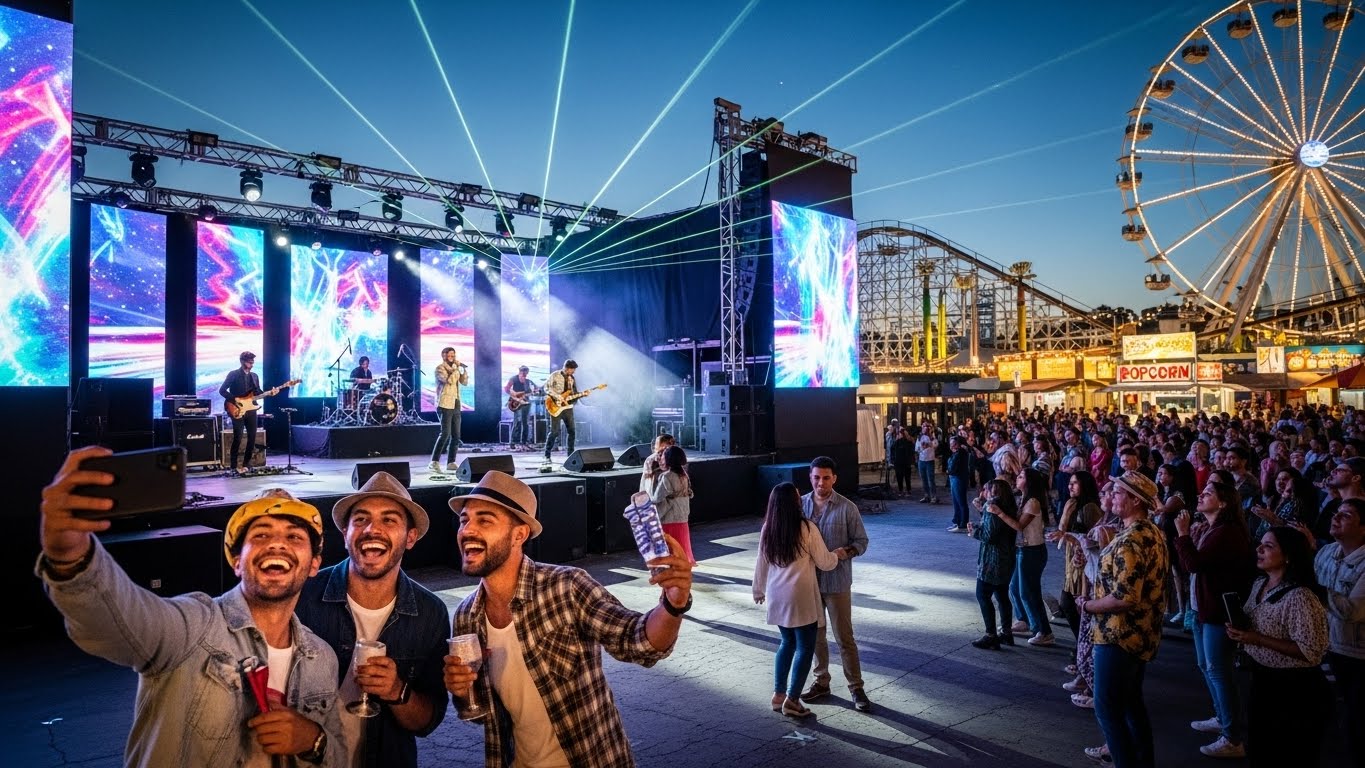
Despite the rise of digital media, live entertainment remains deeply impactful. Concerts, theater performances, and live shows create a shared energy that cannot be replicated on a screen. The experience of being present, surrounded by others who are feeling the same excitement, creates a powerful sense of connection.
Live entertainment reminds us of the human element behind art. The imperfections, spontaneity, and real-time emotions make each performance unique. In a world dominated by screens, these experiences offer authenticity and remind audiences of the joy of shared moments.
Entertainment as a Social Connector
Entertainment brings people together. Friends bond over favorite shows, families watch movies together, and strangers connect through shared fandoms. It creates common ground, making conversations easier and relationships stronger. Even debates over entertainment choices contribute to social interaction and cultural exchange.
In many ways, entertainment defines generations. Certain songs, films, or characters become symbols of specific time periods. These shared references help people connect across backgrounds, creating a sense of belonging and collective memory.
The Responsibility of Entertainment Creators
With great influence comes responsibility. Entertainment shapes perceptions, attitudes, and values. Creators have the power to promote empathy, inclusivity, and understanding, but they also risk reinforcing stereotypes or spreading harmful messages. As audiences become more aware, there is growing demand for thoughtful, responsible content.
Quality entertainment balances creativity with awareness. It entertains without undermining dignity, challenges without exploiting, and reflects reality without distorting it irresponsibly. When done right, entertainment can inspire positive change while still providing enjoyment.
The Future of Entertainment
The future of entertainment promises innovation and transformation. Advances in technology will continue to blur the line between reality and fiction. Immersive experiences, interactive storytelling, and personalized content will become more common. However, the core purpose of entertainment will remain unchanged.
At its heart, entertainment exists to tell stories, evoke emotions, and connect people. No matter how advanced the medium becomes, its success will always depend on its ability to resonate with human experiences. As long as people seek joy, meaning, and connection, entertainment will continue to thrive.
Conclusion: The Lasting Impact of Joyful Expression
Entertainment is far more than a distraction. It is a vital part of human life that nourishes emotions, strengthens social bonds, and reflects cultural values. It evolves with society, adapts to technology, and responds to human needs. Whether experienced alone or shared with others, entertainment leaves lasting impressions that shape memories and identities.
In a world filled with responsibilities and challenges, entertainment provides balance. It reminds us to laugh, to dream, to feel deeply, and to pause. As long as humanity exists, the desire to be entertained will remain, not as an escape from life, but as an essential expression of it.