
Introduction
Entertainment has always been a cornerstone of human life, offering joy, relaxation, and cultural expression. From ancient storytelling and theater performances to modern movies, music, and digital games, entertainment reflects the values, creativity, and technology of society. It connects people, inspires imagination, and provides a temporary escape from daily routines. In the digital era, entertainment has transformed dramatically, integrating technology, interactivity, and global reach. This blog explores the evolution of entertainment, its modern forms, cultural significance, economic impact, and the future of leisure.
The Origins of Entertainment
Entertainment dates back to the earliest human civilizations. Storytelling around fires, musical performances, and dances were not only forms of amusement but also methods to preserve culture and pass knowledge. Ancient civilizations, including Egypt, Greece, and Rome, developed theater, music festivals, and public spectacles, reflecting social hierarchies and shared values.
With the invention of the printing press, literature became widely accessible, leading to novels, poetry, and newspapers as popular forms of entertainment. As societies evolved, so did the variety of leisure activities, including sports, visual arts, and public performances, laying the groundwork for modern entertainment industries.
Entertainment in the 20th Century
The 20th century witnessed revolutionary changes in entertainment. Cinema brought stories to life through visuals and sound, creating immersive experiences. Radio introduced music, news, and serialized storytelling to a wide audience, while television brought entertainment directly into homes.
These mediums transformed how people consumed culture and engaged with society. Shared experiences, such as watching live broadcasts or popular shows, created communal connections and influenced trends in fashion, language, and lifestyle. Globalization further expanded access to diverse forms of entertainment, exposing audiences to different cultures, artistic styles, and narratives.
The Role of Technology in Modern Entertainment
Technology has fundamentally reshaped entertainment, making it more accessible, interactive, and personalized. High-speed internet, smartphones, and streaming platforms allow audiences to access music, films, and games anytime, anywhere.
Digital tools also enable content creation and distribution, allowing artists and creators to reach global audiences without traditional intermediaries. Virtual reality and augmented reality enhance immersion, creating experiences where audiences actively participate rather than passively consume. Interactive platforms encourage engagement, social interaction, and creativity.
Music: A Universal Language
Music remains one of the most influential forms of entertainment. It provides emotional expression, cultural storytelling, and social connection. Technological advancements in recording, production, and distribution have transformed music into a global industry.
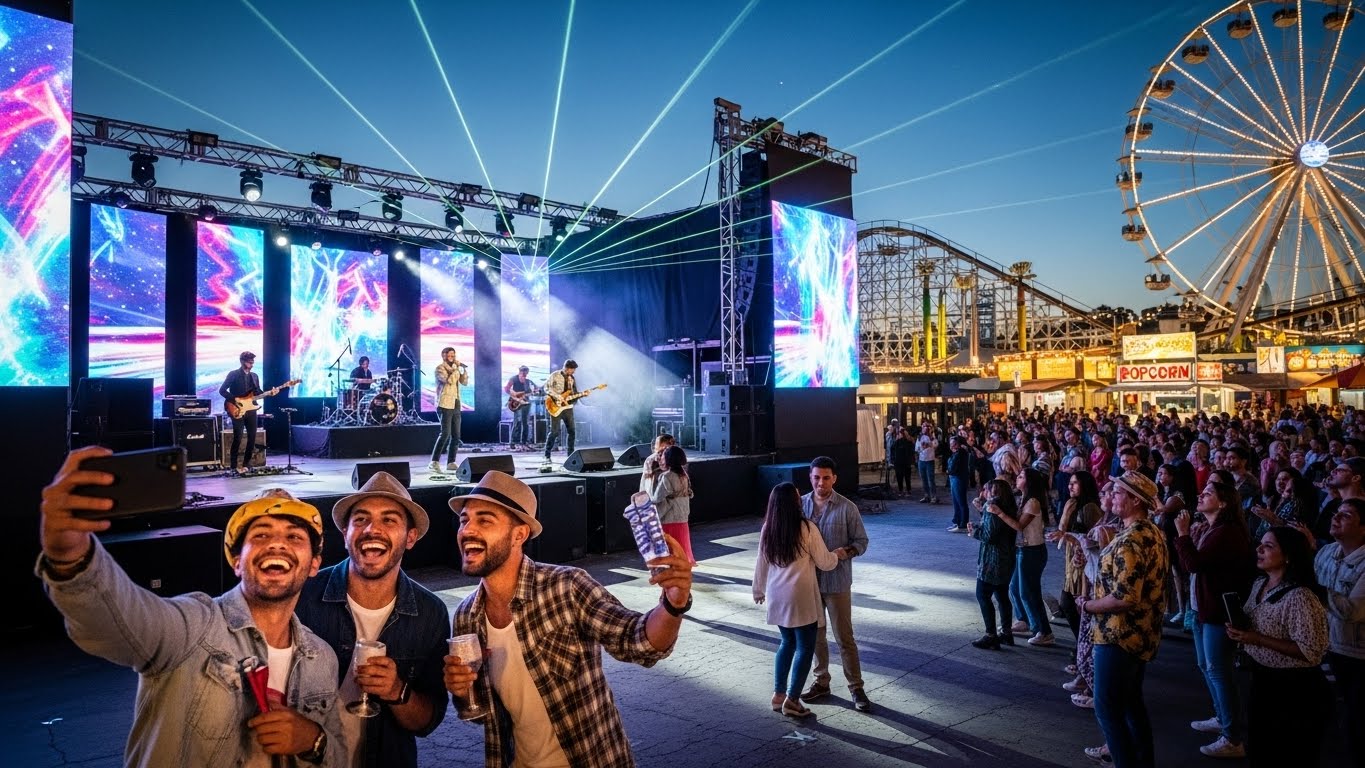
Streaming platforms allow listeners to curate personalized playlists and discover artists worldwide. Live concerts and music festivals provide shared experiences, while social media connects fans and performers, fostering communities centered around music. Music continues to influence lifestyle, fashion, and cultural trends, highlighting its enduring importance in entertainment.
Film and Television: Storytelling Across Screens
Cinema and television are central pillars of entertainment, combining narrative, visuals, and sound to captivate audiences. Films explore diverse stories, social issues, and human experiences, leaving lasting cultural impacts. Television provides serialized content, documentaries, and live broadcasts, engaging viewers on a daily basis.
Digital platforms have changed viewing habits, offering on-demand access, personalized recommendations, and binge-watching experiences. Interactive storytelling, including choose-your-own-adventure formats, further enhances engagement and creativity, pushing the boundaries of traditional media.
Gaming: Interactive Entertainment
Gaming has emerged as a major form of entertainment, combining technology, storytelling, and social interaction. Video games span consoles, computers, and mobile devices, offering diverse experiences from competitive esports to immersive narratives.
Games foster critical thinking, problem-solving, and teamwork. Multiplayer platforms encourage collaboration, while virtual reality offers fully immersive environments. Gaming has also influenced other entertainment sectors, inspiring films, music, and merchandise, making it a culturally and economically significant medium.
Live Performances and Theater
Live performances, including theater, dance, and concerts, offer unique and irreplaceable experiences. Unlike recorded media, live events create a sense of immediacy and communal participation, allowing audiences to share emotions in real time.
Modern performances incorporate technology, including digital projections, lighting effects, and interactive sets, enhancing creativity and engagement. Live entertainment preserves cultural heritage while embracing innovation, bridging traditional forms with contemporary trends.
Social Media and Content Creation
Social media has revolutionized entertainment by enabling user-generated content and global sharing. Platforms like video-sharing apps, streaming services, and social networks allow creators to build audiences and influence trends without traditional gatekeepers.
Viral challenges, trends, and interactive content foster engagement, allowing audiences to participate actively. Content creators, influencers, and streamers play a significant role in shaping entertainment preferences, demonstrating the democratization of media production.
Economic Impact of Entertainment
Entertainment is a major contributor to the global economy. Industries such as film, music, gaming, and live events generate employment, revenue, and investment opportunities. Ticket sales, subscriptions, merchandise, licensing, and advertising contribute significantly to economic growth.
Tourism related to entertainment, such as festivals, concerts, and film locations, further supports local economies. Technological innovations in streaming, gaming, and virtual events have created new markets and revenue streams, expanding economic impact and opportunities for creative professionals.
Cultural Significance of Entertainment
Entertainment reflects and shapes culture. Films, music, literature, and games provide insights into social values, historical events, and human experiences. Entertainment also fosters cultural exchange, allowing people to experience diverse traditions, languages, and perspectives.
Beyond reflection, entertainment inspires social movements, influences fashion and language, and shapes generational identities. It creates shared experiences, strengthens community bonds, and encourages creativity, making it a vital aspect of societal development.
Challenges in the Entertainment Industry
Despite its growth, the entertainment industry faces challenges. Content saturation, piracy, and changing consumption habits require constant adaptation. Ethical concerns, such as representation, inclusivity, and cultural sensitivity, are increasingly important.
Digital platforms raise issues around privacy, screen time, and the impact of social media on mental health. The industry must balance innovation with responsibility, ensuring that content is engaging, ethical, and accessible while maintaining audience trust.
Emerging Trends in Entertainment
The future of entertainment is increasingly interactive, immersive, and personalized. Virtual reality and augmented reality create new forms of engagement, allowing audiences to experience content in innovative ways.
Artificial intelligence and data analytics enable personalized recommendations, enhancing user satisfaction. Cross-platform integration, interactive storytelling, and user-generated content continue to blur the lines between creators and audiences. Social engagement and gamification further increase interactivity, making entertainment a participatory experience.
The Future of Entertainment
Entertainment will continue to evolve alongside technology and societal changes. Digital platforms will expand accessibility, interactive experiences will grow, and new forms of creative expression will emerge. Live events, streaming, gaming, and immersive experiences will coexist, catering to diverse audience preferences.
The integration of technology, creativity, and social engagement will shape future entertainment, making it more inclusive, innovative, and globally connected. Audiences will play an active role in content creation, influencing trends and defining the next generation of leisure experiences.
Conclusion
Entertainment is an essential part of human life, reflecting creativity, culture, and technological progress. From ancient storytelling and theater to modern movies, music, gaming, and digital platforms, it provides joy, connection, and cultural expression.
In the digital era, entertainment has become more interactive, personalized, and accessible, bridging gaps between creators and audiences. It drives economic growth, inspires creativity, and influences social trends.
As technology continues to advance, entertainment will remain a central part of human life, offering immersive experiences, fostering social interaction, and shaping culture for generations to come. It demonstrates that the pursuit of joy, creativity, and connection is timeless, adapting to every era while continuing to unite and inspire people worldwide.