
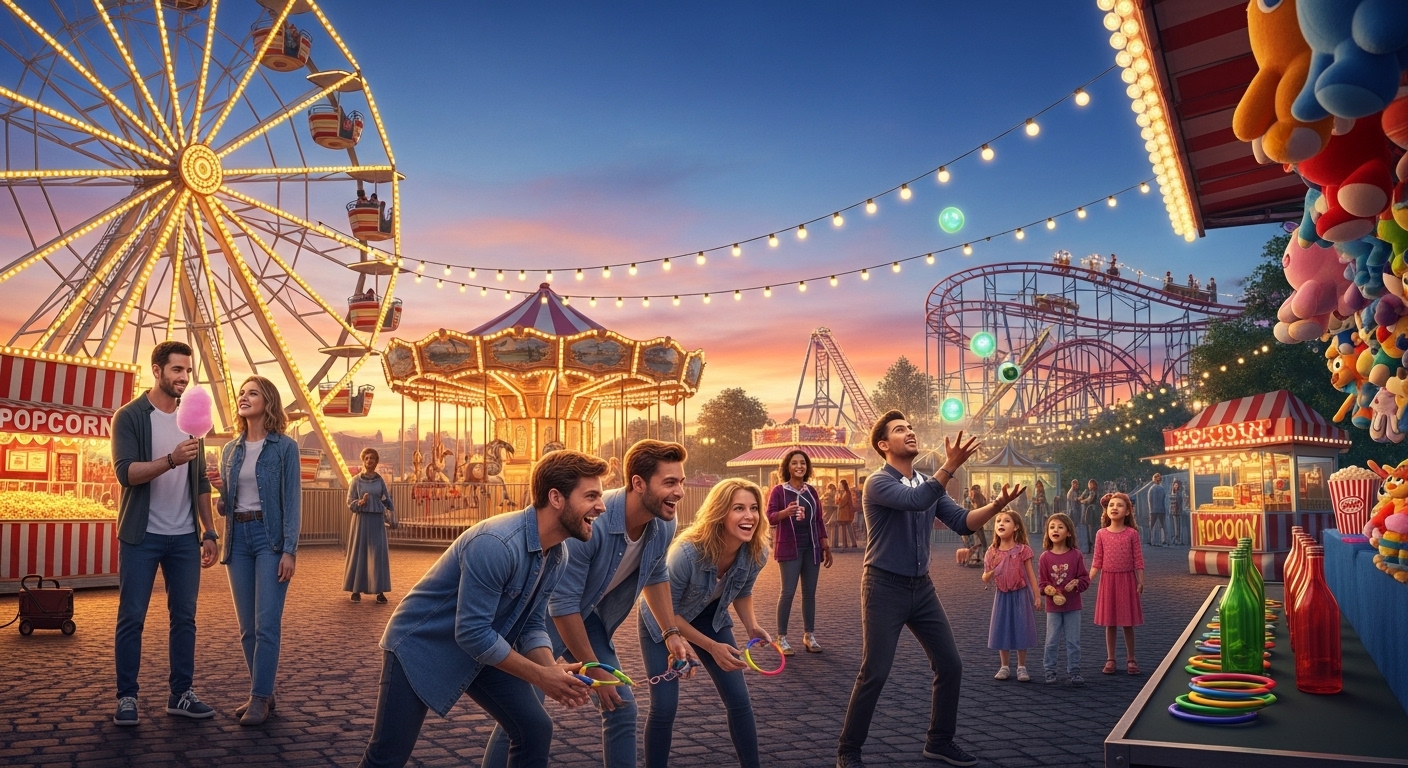
Entertainment is one of humanity’s oldest and most beloved companions. From the rhythmic beat of ancient drums to the dazzling lights of modern cinema, it has evolved alongside civilization itself. At its core, entertainment fulfills a simple yet profound purpose: to bring joy, meaning, and relief to the human experience. It is the mirror of our imagination, the canvas of our emotions, and the bridge between cultures.
The Ancient Roots of Entertainment
Long before the age of streaming and smartphones, entertainment began in the simplest of forms — storytelling, music, and dance. Early humans gathered around fires to share tales of hunts, gods, and mysteries of the stars. These stories were not just amusement; they were lessons, traditions, and history passed down through generations.
In ancient Egypt, performances were woven into religious rituals. Greece gave birth to theater, where tragedies and comedies reflected human nature. Roman gladiatorial games, though brutal, captured the fascination of millions. Entertainment was power — a way to control the masses and to express identity.
The importance of these traditions can still be seen today. Modern films, plays, and television shows borrow heavily from those early stories — tales of heroism, love, betrayal, and redemption.
The Evolution of Performance
As civilizations expanded, entertainment began to specialize. Music grew from folk songs into orchestras. Storytelling became literature. Plays evolved into opera and eventually cinema.
During the Middle Ages, minstrels and jesters entertained kings and commoners alike. Then came the Renaissance, a rebirth of art and creativity. Theaters flourished, artists experimented, and audiences became more diverse. Entertainment was no longer only for the elite; it became the right of every individual seeking joy and expression.
The Industrial Revolution brought an explosion of possibilities. Printing made books accessible to the masses. Photography captured real life in still images. Soon, the magic of the moving picture transformed everything.
The Birth of Cinema: A Revolution in Storytelling
At the dawn of the 20th century, entertainment entered a golden age with the invention of film. Silent movies allowed stories to transcend language. Charlie Chaplin made the world laugh without uttering a single word. The silver screen became a dreamscape where imagination ruled supreme.
With the arrival of sound in the 1920s, cinema gained a new dimension. The era of musicals, westerns, and romance began. Hollywood rose as the heart of global entertainment, influencing style, speech, and even social behavior.
Movies were more than a pastime; they became reflections of the world’s hopes and fears. During wars, films inspired patriotism. In times of peace, they offered escape. From “Gone with the Wind” to “Star Wars,” cinema became the ultimate storyteller of humanity.
The Rise of Television: Bringing the World Home
In the mid-20th century, a new form of entertainment emerged — television. It brought stories, music, and news directly into people’s living rooms. Families gathered around their TV sets, united by laughter, suspense, and emotion.
Television democratized entertainment. You no longer needed to go to a theater or concert hall to be entertained. The small screen became a window to the world. From sitcoms and dramas to live sports and talk shows, television offered something for everyone.
Cultural icons were born on screen — actors, musicians, and hosts who became household names. The influence of television on fashion, politics, and social values cannot be overstated. It shaped generations and continues to evolve today in the form of streaming and digital content.
Music: The Universal Language
Among all forms of entertainment, music remains the most universal. It transcends boundaries, languages, and cultures. A melody can evoke emotions that words cannot describe.
From classical symphonies to rock concerts, from jazz to hip-hop, music reflects the heartbeat of each generation. The invention of radio allowed music to travel across borders, while the record industry turned performers into legends.
Every era has its sound — the swing of the 1930s, the rock and roll of the 1950s, the disco of the 1970s, and the pop revolution of the 1980s and beyond. In today’s digital age, streaming platforms have made music more accessible than ever, allowing new artists to rise overnight.
Music continues to evolve, but its purpose remains timeless: to connect, to move, and to express.
The Power of Theater and Live Performance
While screens dominate modern entertainment, the stage remains a sacred space. Theater, dance, and live performance are experiences that no technology can fully replicate.
The energy between performer and audience creates an emotional bond that is immediate and raw. Whether it’s Shakespeare’s tragedies, Broadway musicals, or ballet performances, live entertainment keeps art alive in its purest form.
In recent years, live concerts and festivals have become global phenomena. They are not merely events but communal celebrations — shared experiences that remind us we are part of something larger than ourselves.
The Digital Age: A New Era of Entertainment
The 21st century brought a transformation unlike any before. With the rise of the internet, entertainment became accessible to anyone, anywhere, at any time.
Social media platforms turned ordinary people into global celebrities. YouTube, TikTok, and streaming services like Netflix changed how we consume content. No longer are we passive viewers; we create, share, and interact with entertainment in real time.
Gaming has become a massive industry, rivaling film and music. Esports tournaments fill stadiums, and virtual reality allows us to step inside the story. The boundaries between creator and audience are fading, giving birth to a new era of participation and immersion.
The Business Behind the Fun
Entertainment is not just art; it’s an industry worth billions. Movies, music, sports, gaming, and fashion all fall under its vast umbrella. Behind every song or show is a network of producers, marketers, and innovators turning creativity into commerce.
Streaming platforms and digital distribution have changed how creators earn and audiences pay. Subscription models replaced ticket booths, and algorithms now predict what we watch or listen to next.
This balance between art and business is delicate. While monetization has allowed entertainment to flourish, it has also raised concerns about authenticity, exploitation, and over-commercialization.
The Influence of Celebrity Culture
With entertainment comes fame — and with fame comes influence. Celebrities today hold more power than ever before. They shape opinions, trends, and even politics.
Social media has made the relationship between stars and fans intimate and immediate. A single post can reach millions, inspiring movements or sparking controversies. This new level of connection has blurred the line between personal and public life.
While some see celebrity culture as superficial, others recognize its potential for good. Many entertainers use their platforms for activism, charity, and awareness, proving that influence can be used responsibly.
Entertainment as a Reflection of Society
Every era’s entertainment tells the story of its people. Films and songs are cultural artifacts that capture emotions, challenges, and dreams of their time.
The rise of diverse representation in movies and TV has redefined how society views identity, gender, and equality. Storytelling has become more inclusive, breaking stereotypes and amplifying unheard voices.
In many ways, entertainment is society’s mirror — sometimes flattering, sometimes brutally honest, but always revealing.
Technology and the Future of Entertainment
Technology continues to reshape entertainment at lightning speed. Artificial Intelligence now composes music, writes scripts, and generates visual art. Virtual and augmented reality create immersive experiences where imagination becomes reality.
Streaming has given way to interactive storytelling — where viewers choose endings, characters, or perspectives. The boundaries between fiction and reality are blurring.
The future of entertainment will likely be even more personalized. Algorithms will know our preferences before we do. Yet, amidst this digital revolution, one truth remains: emotion is irreplaceable. Technology may enhance entertainment, but it cannot replace the human heart behind it.
Cultural Impact of Global Entertainment
Entertainment has the power to unite cultures and bridge differences. A film made in one country can touch hearts across the world. Music from one language can inspire dance in another.
Global collaboration has become the norm. International festivals, cross-border productions, and streaming platforms bring together diverse talents and audiences.
However, this globalization also raises questions of cultural preservation. As global trends dominate, local traditions risk fading. Balancing global reach with cultural authenticity is one of entertainment’s greatest challenges.
The Role of Sports in Entertainment
While we often think of entertainment as art or performance, sports occupy a massive space within it. From football to cricket, basketball to boxing, sports entertain billions.
They combine skill, strategy, and emotion. Stadiums roar with passion, while fans live and breathe every moment. Sports heroes become symbols of hope, unity, and perseverance.
Beyond competition, sports tell stories — of triumph, loss, teamwork, and humanity. They remind us that entertainment is not only about watching but feeling.
The Social Side of Entertainment
In essence, entertainment is a social experience. Whether it’s laughing at a comedy show, singing along at a concert, or discussing a film online, we engage with others through entertainment.
It builds communities — fandoms, online groups, or neighborhood gatherings. It provides common ground where people from different walks of life can connect.
During difficult times, entertainment becomes a lifeline. In moments of crisis, a song, movie, or joke can bring comfort and hope. It proves that joy is a universal need, not a luxury.
The Psychology of Entertainment
Why do humans crave entertainment? The answer lies deep in our psychology. It allows us to escape routine, explore fantasy, and experience emotions safely.
Laughter releases stress, music heals, and stories provide meaning. Entertainment is both therapy and education. It shapes empathy, stimulates creativity, and offers perspective.
We find ourselves in characters, relate to struggles, and celebrate triumphs that mirror our own. Entertainment does not simply amuse — it enriches the soul.
Challenges Facing Modern Entertainment
Despite its power, the entertainment industry faces challenges. The oversaturation of content makes it harder for genuine creativity to shine. The influence of algorithms often prioritizes popularity over quality.
Piracy, digital fatigue, and the pressure to constantly “go viral” have changed how artists create. The line between art and advertisement grows thinner.
Yet, these challenges also bring innovation. Independent creators now have platforms once reserved for major studios. Authenticity, not perfection, has become the new measure of success.
The Timeless Need for Storytelling
At the heart of all entertainment lies one timeless art: storytelling. Whether told through words, visuals, or rhythm, stories define who we are.
Every song tells a story. Every film captures a moment. Every dance expresses a narrative. As long as humans exist, stories will be told — because they remind us we are not alone.
Entertainment, in its many forms, continues this ancient human need: to share, to dream, and to connect.
Conclusion: The Soul of Entertainment
Entertainment is far more than amusement. It is history, art, technology, and emotion combined. It shapes culture, reflects humanity, and gives life color.
From ancient drums to digital screens, it has evolved, yet its essence remains unchanged — to make us feel alive.
In a world that often moves too fast, entertainment offers pause. It invites us to laugh, cry, and imagine. It connects hearts across borders and generations. And as long as there are stories to tell and songs to sing, entertainment will remain humanity’s greatest celebration of life.