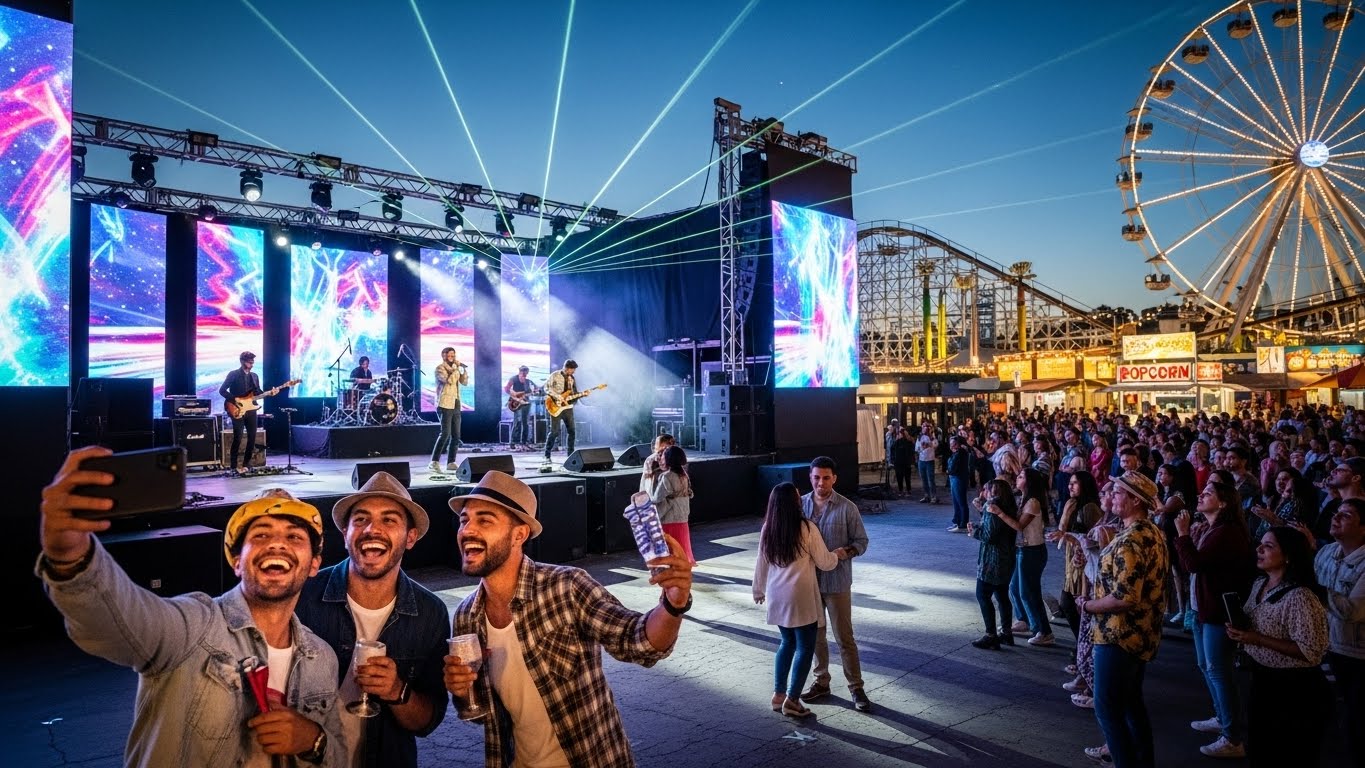

Entertainment has always played a significant role in human culture, offering an escape, a means of expression, and a connection to others. Over the years, the way we consume entertainment has evolved drastically. From traditional forms like television, movies, and theater to the digital explosion of streaming platforms, video games, and social media, the landscape of entertainment continues to change rapidly. In this post, we’ll explore the journey of entertainment, how it’s adapted to modern technology, and what the future holds for this dynamic industry.
The Golden Era of Television and Film
Television and film have long been at the core of global entertainment. The 20th century brought us the golden age of cinema, where Hollywood and major film studios dominated the cultural landscape. Classic films like Gone with the Wind and Casablanca became not just box-office hits but cultural icons. These movies became a language of their own, influencing fashion, language, and even political discourse.
Television soon followed, with networks like NBC, ABC, and CBS establishing primetime television as the pinnacle of daily entertainment. From sitcoms to dramas, TV became a central part of family life, with entire generations gathering to watch shows like Friends, The Twilight Zone, and The Simpsons. For decades, movies and television were the primary forms of entertainment, shaping the way people thought about storytelling and culture.
However, as time passed, technology began to catch up with the entertainment industry, and new ways of consuming media began to take root.
The Streaming Revolution: Changing How We Watch
The rise of streaming services like Netflix, Amazon Prime, and Disney+ has transformed the entertainment industry in unprecedented ways. Gone are the days when viewers had to sit down at a specific time to watch a show or wait for a movie to come out on DVD. Streaming platforms have introduced an era of on-demand content, where people can watch their favorite shows and movies whenever they choose.
What started as a humble DVD rental service, Netflix quickly evolved into a digital powerhouse, producing original content and disrupting the traditional entertainment model. Shows like Stranger Things, The Crown, and House of Cards set new standards in terms of storytelling, budget, and character development. The ability to binge-watch entire seasons in one go has altered our viewing habits, and it’s forced even traditional networks to reconsider their release strategies.
The impact of streaming extends beyond just movies and TV shows. It has also opened up new opportunities for creators. Independent filmmakers and smaller studios now have a platform to reach global audiences without the need for major studio backing. The streaming boom has made entertainment more diverse, offering a wide array of international content and niche genres that might have previously been ignored.
The Rise of Interactive and Immersive Entertainment
While movies and TV shows remain popular, the demand for interactive and immersive experiences is growing. Video games, virtual reality (VR), and augmented reality (AR) are pushing the boundaries of entertainment, giving audiences a chance to actively engage with the content rather than just passively consume it.
Video games have evolved into a multi-billion-dollar industry, with titles like Fortnite, Minecraft, and The Last of Us not just selling millions of copies but also creating communities and even esports leagues. These games are no longer just about winning—they’re about experiencing immersive worlds, engaging in deep narratives, and even competing in professional tournaments. The rise of live-streaming platforms like Twitch has made it easier than ever for players to share their experiences with a global audience, further blurring the lines between entertainment and interaction.
Virtual Reality and Augmented Reality are also changing the game. VR headsets like Oculus Rift and PlayStation VR transport players into fully immersive digital environments, while AR technology enhances real-world spaces by overlaying digital elements. Whether it’s playing a VR game or interacting with AR experiences on your phone, these technologies offer unique forms of entertainment that engage the senses in ways traditional media can’t match.
Social Media: Entertainment and Connection Combined
While platforms like Netflix and YouTube provide access to movies and TV shows, social media has become a whole new arena for entertainment. Instagram, Twitter, TikTok, and YouTube have created a new breed of celebrities and influencers who shape trends, create viral moments, and offer personalized content directly to their followers.
Social media platforms have changed the nature of how entertainment is consumed. Rather than relying on traditional media outlets to provide content, users now have access to millions of creators around the world, each offering unique content that aligns with their interests. Influencers can monetize their platforms through sponsorships and brand deals, while YouTubers can build entire careers by creating content that resonates with their audience.
Additionally, social media has become a place for live events and interactions. Platforms like Instagram Live, TikTok Live, and Facebook Live allow performers, brands, and even celebrities to interact with their followers in real-time, offering a sense of connection that was previously impossible. These interactions are breaking down the barriers between creators and their audience, making entertainment feel more personal and immediate.
The Impact of Digital Culture on Traditional Media
The shift to digital-first entertainment hasn’t just affected the way content is consumed; it has reshaped the entire industry. Traditional media—newspapers, magazines, and broadcast television—are all feeling the effects of a digitally-driven world. As more people turn to the internet for news, entertainment, and even social interaction, print and broadcast media are being forced to adapt.
For example, newspapers have faced an existential crisis in the face of declining subscriptions and ad revenue. Many have shifted to online platforms, offering digital subscriptions and focusing on real-time reporting through social media. Similarly, television networks have increasingly embraced streaming platforms and on-demand content to compete with services like Netflix, Hulu, and Disney+.
In many ways, the lines between digital and traditional media are becoming increasingly blurred. Movies that were once reserved for cinema are now available for streaming on the same day they release in theaters. Music albums are dropped directly on streaming platforms like Spotify or Apple Music, bypassing physical copies and even radio airplay. As technology continues to evolve, the future of entertainment will likely be a mix of traditional and new media, with a growing emphasis on personalization, interactivity, and accessibility.
The Future of Entertainment: Infinite Possibilities
As technology continues to advance, the future of entertainment holds infinite possibilities. Artificial intelligence (AI) is already being used to create personalized recommendations, write scripts, and even compose music. Virtual and augmented reality are evolving rapidly, and they could soon become integral parts of our everyday entertainment experiences, allowing us to not just watch a movie or play a game, but fully participate in them.
The next frontier could be the blending of real and virtual worlds, where entertainment becomes even more integrated into our daily lives. Imagine stepping into a digital world for a live concert, attending a virtual movie premiere, or even interacting with characters within a story. With advancements in 5G technology and the increasing power of cloud computing, these experiences could become mainstream in the near future, providing limitless opportunities for creators and audiences alike.
Moreover, the continued growth of interactive storytelling will allow consumers to engage with entertainment in unprecedented ways. Whether it’s choosing the outcome of a video game or controlling the plot of a TV series, interactivity will continue to play a key role in shaping the future of media.
Conclusion: Entertainment in an Era of Constant Change
Entertainment has always been about connecting people to stories, emotions, and experiences. From the golden age of Hollywood to the rise of streaming platforms, gaming, and social media, the way we engage with entertainment has evolved dramatically. As technology advances, we are entering an era where the boundaries between different forms of media are becoming increasingly fluid, and new, interactive forms of entertainment are changing the way we experience stories.
Whether it’s through traditional film and television, digital streaming, or immersive gaming worlds, the future of entertainment is rich with possibilities. What remains clear is that as long as there are stories to tell and experiences to share, entertainment will continue to be an essential part of our lives—constantly evolving, always adapting, and forever captivating.