Entertainment has been an integral part of human society since the beginning of civilization. It is a reflection of culture, human emotion, creativity, and technological progress. From ancient cave paintings to modern virtual reality experiences, the ways in which people entertain themselves have evolved dramatically. Today, entertainment is not just about watching or listening; it is about participating, experiencing, and sharing. This blog explores the journey of entertainment, current trends, and its impact on society.
The Origins of Entertainment
Entertainment, in its earliest form, was storytelling. Before written language existed, humans shared stories orally around fires. These stories were often mythological or cultural narratives that conveyed morals, lessons, and historical events. Storytelling provided not only amusement but also education, connection, and cultural preservation.
As civilizations progressed, entertainment became more structured. Ancient Egypt, Greece, and Rome introduced theater, dance, music, and sports as organized forms of amusement. These events were not just diversions; they were essential to cultural identity and social cohesion. People gathered in amphitheaters to watch plays, gladiators, and musical performances, experiencing a collective sense of excitement and engagement.
The Rise of Mass Entertainment
The invention of the printing press marked a significant turning point in entertainment. Books became accessible to more people, allowing stories to reach wider audiences. With literacy on the rise, literature became a source of both entertainment and education. Novels, poetry, and serialized stories captivated readers, transporting them to worlds beyond their immediate surroundings.
The 20th century brought a revolution with the advent of cinema, radio, and television. Movies became a dominant form of entertainment, providing visual storytelling on a scale previously unimaginable. Radio brought music, drama, and news into homes, creating a sense of shared experience. Television combined visual and audio entertainment, making it a staple in households worldwide. These mass entertainment platforms connected people and cultures, establishing new forms of storytelling and influencing societal norms.
Digital Entertainment and the Streaming Revolution
The digital age transformed entertainment once again. The rise of the internet allowed content to be distributed instantly across the globe. Streaming platforms changed the way people consume music, movies, and television shows. Instead of waiting for scheduled broadcasts, audiences could access content anytime, anywhere. This on-demand model revolutionized viewer habits and gave rise to binge-watching, a phenomenon where people consume multiple episodes or even entire seasons in one sitting.
Digital entertainment also democratized content creation. Independent artists, filmmakers, and creators could share their work with a global audience without relying on traditional distribution channels. Platforms that host user-generated content gave rise to new forms of entertainment, such as viral videos, web series, and podcasts. Audiences became active participants rather than passive consumers, engaging through comments, sharing, and creating derivative content.
The Psychology of Entertainment
Entertainment is not merely a diversion; it is deeply connected to human psychology. Studies have shown that entertainment can reduce stress, improve mood, and foster empathy. Engaging with stories, music, or games allows people to experience emotions in a controlled environment, providing relief and perspective.
Different forms of entertainment stimulate different aspects of the brain. Music can evoke deep emotional responses, while movies and theater engage visual and auditory processing. Interactive entertainment, such as video games, requires problem-solving, strategic thinking, and hand-eye coordination. These experiences are not just enjoyable; they shape cognitive functions and emotional intelligence over time.
The Role of Live Experiences
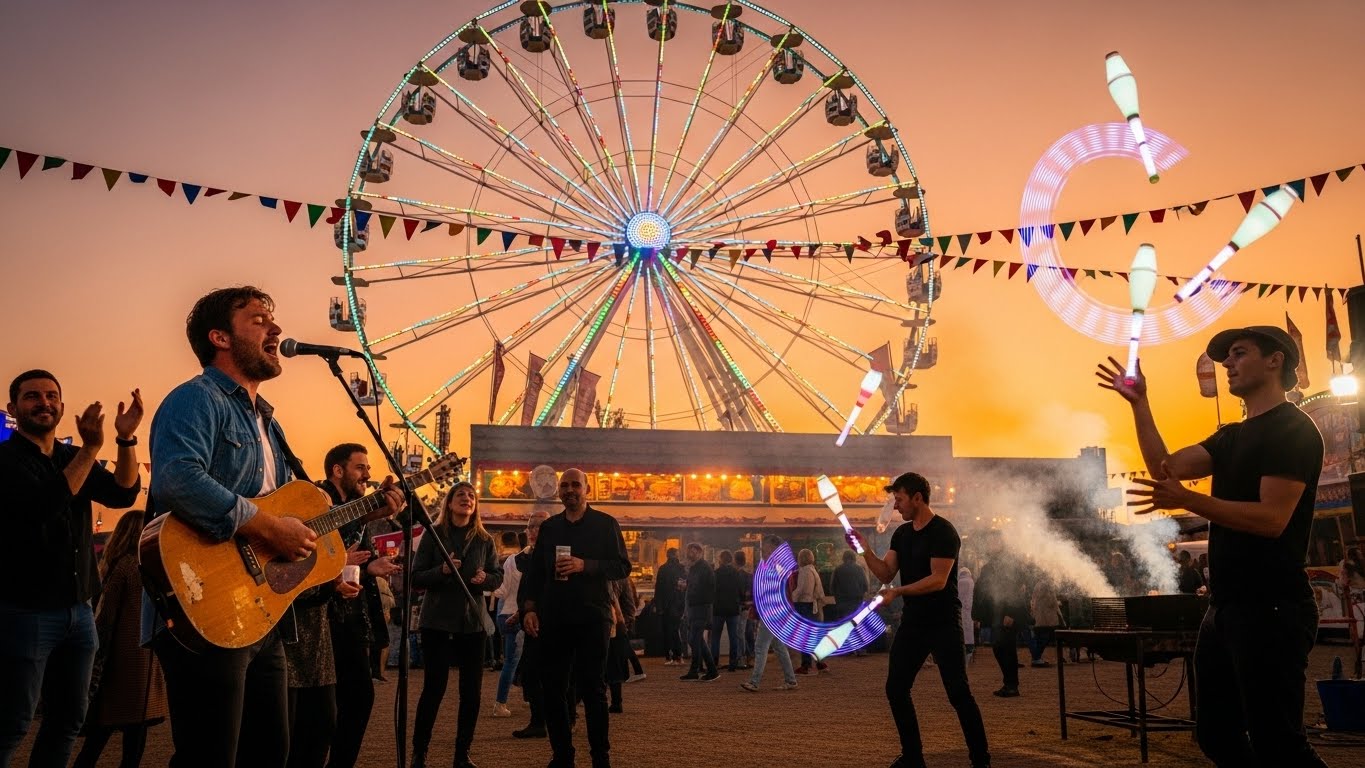
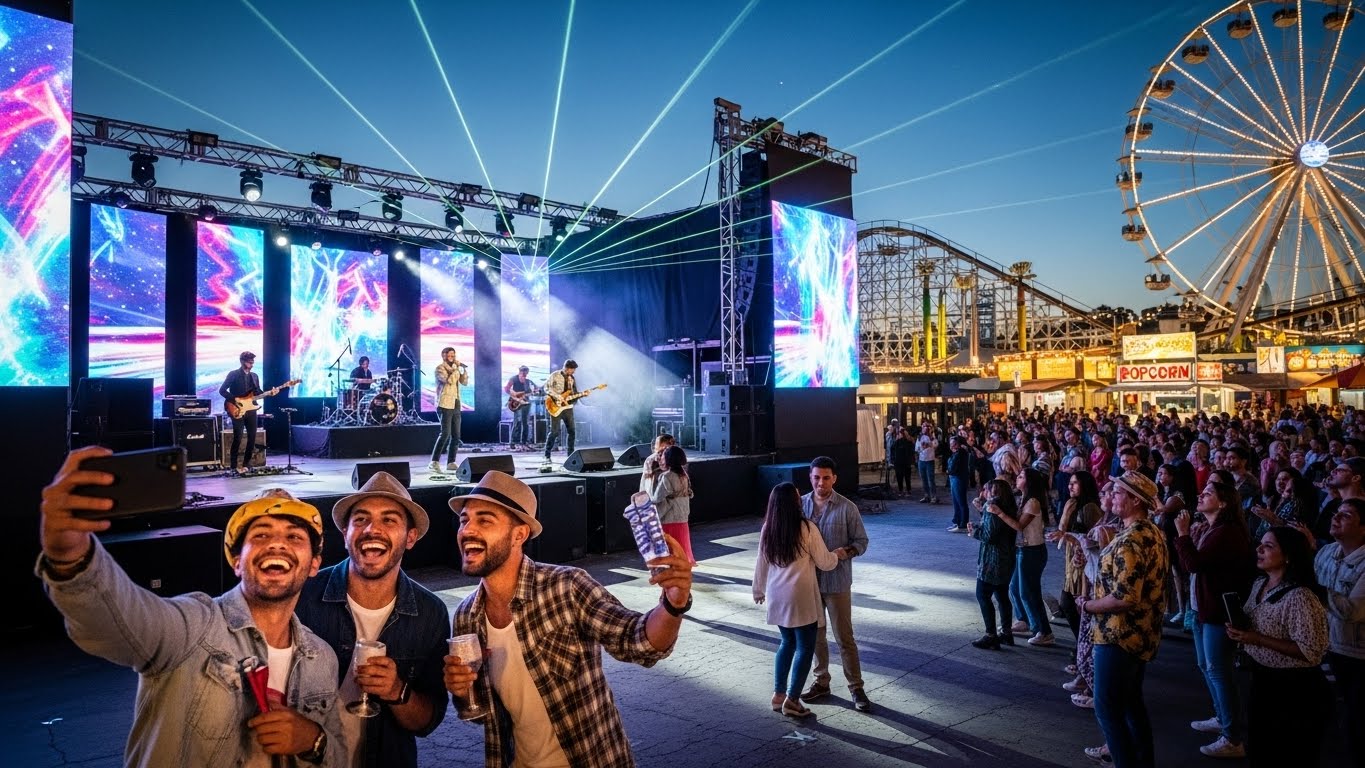
Despite the rise of digital entertainment, live experiences remain a vital part of human culture. Concerts, theater productions, sporting events, and festivals offer immersive experiences that cannot be replicated through screens. Attending live events creates a sense of presence, excitement, and community that enhances emotional engagement.
Live entertainment also allows for spontaneity and unpredictability. Unlike recorded content, live performances can vary with each presentation, making every experience unique. This uniqueness creates lasting memories and fosters social bonding. People often attend live events with friends and family, further strengthening emotional connections and shared experiences.
Interactive Entertainment: From Gaming to Virtual Reality
Interactive entertainment has become one of the most dynamic sectors in modern media. Video games have evolved from simple pixelated challenges to complex worlds with immersive storytelling, realistic graphics, and multiplayer interactions. Games offer players control over narratives, decision-making, and problem-solving, blurring the line between passive and active engagement.
Virtual reality and augmented reality technologies are pushing boundaries even further. VR creates fully immersive worlds where users can explore, interact, and experience environments as if they were physically present. AR overlays digital elements onto the real world, providing interactive experiences that blend imagination and reality. These technologies represent the future of entertainment, offering experiences that engage multiple senses and encourage exploration.
The Influence of Social Media
Social media has transformed entertainment into a participatory and highly interactive experience. Platforms allow users to share content, create challenges, and engage with celebrities or influencers directly. Viral trends, memes, and short-form videos have become a dominant form of entertainment, capturing attention in seconds and fostering global cultural movements.
Social media also enables micro-entertainment—content designed for brief consumption. Short videos, live streams, and interactive stories cater to decreasing attention spans while maintaining engagement. Despite being fast-paced, these forms of entertainment have created communities of interest, where people bond over shared humor, challenges, or creative expressions.
The Evolution of Music and Audio Entertainment
Music has always been central to entertainment, but digital technologies have transformed how it is produced, distributed, and consumed. Streaming services allow listeners to access vast libraries of music on demand, while recommendation algorithms introduce audiences to new genres and artists. Podcasts have emerged as a new form of audio storytelling, combining information, entertainment, and personal connection.
Live concerts, music festivals, and immersive audio experiences continue to thrive. Audiobooks also represent a growing segment, providing a convenient way to enjoy literature while multitasking or commuting. Audio entertainment emphasizes imagination and emotional engagement, allowing listeners to create mental imagery and form personal interpretations.
The Importance of Nostalgia in Entertainment
Nostalgia plays a significant role in modern entertainment. People often seek experiences that remind them of their past, whether through classic movies, retro video games, or music from previous decades. Nostalgic entertainment offers comfort, evokes positive memories, and strengthens emotional connections across generations.
Creators and companies recognize this trend and often reintroduce beloved franchises, characters, and formats. Nostalgia-driven content bridges generational gaps and fosters shared experiences among audiences, proving that entertainment is not only about novelty but also about emotional resonance.
Entertainment as a Tool for Social Connection
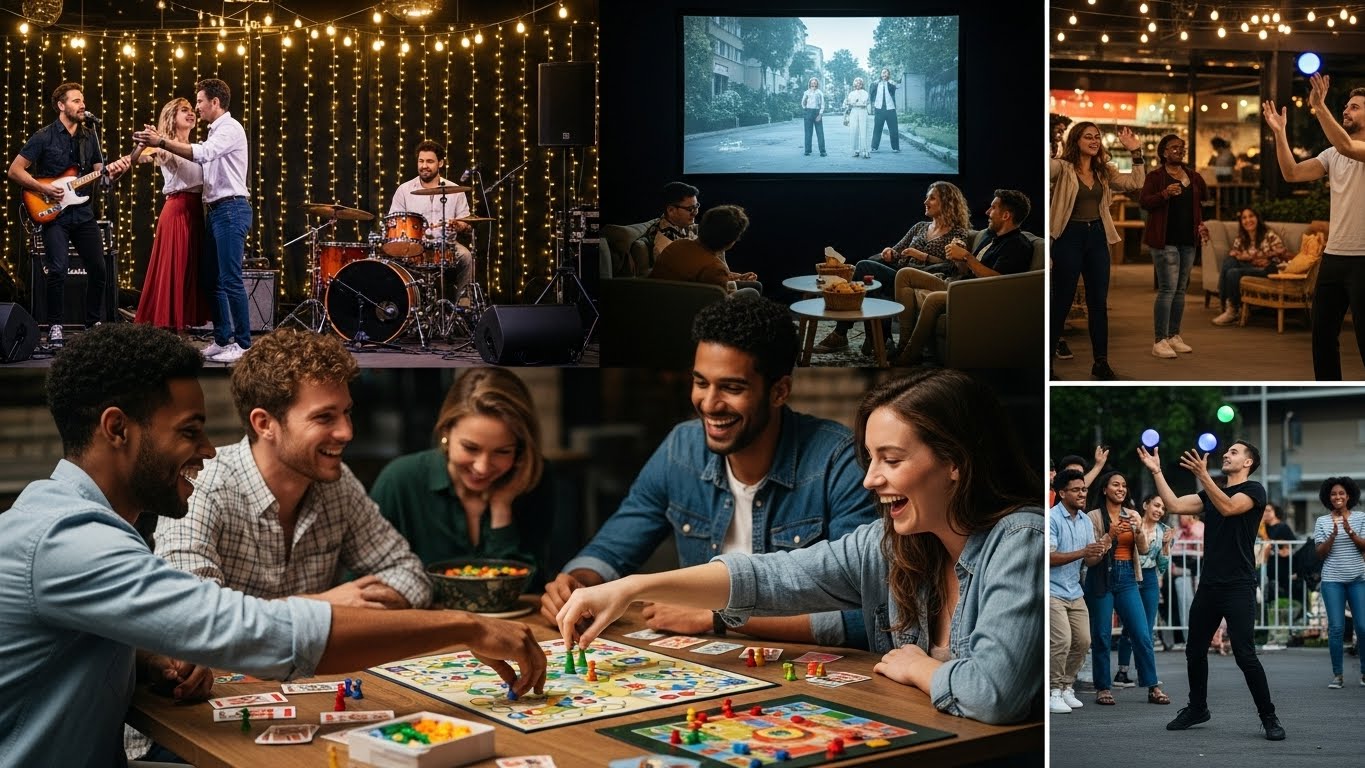
Entertainment has always been a social activity. From communal storytelling to modern online multiplayer games, people seek connection through shared experiences. Watching movies with friends, attending concerts, or participating in fan communities creates bonds and strengthens social cohesion.
Digital platforms have expanded this social aspect globally. Fans can connect across continents, discuss their favorite shows, or collaborate on creative projects. Online communities centered around entertainment provide a sense of belonging and identity, reinforcing the idea that entertainment is both personal and collective.
The Future of Entertainment
The future of entertainment lies in personalization, interactivity, and immersion. Artificial intelligence, virtual reality, and advanced streaming technologies will continue to transform how content is created and consumed. Audiences will have more control over narratives, experiences, and engagement, blurring the line between creator and consumer.
As entertainment evolves, its core purpose remains the same: to engage, inspire, and connect people. Whether through storytelling, music, gaming, or immersive experiences, entertainment reflects human emotion and creativity. The challenge for the future will be balancing technological innovation with meaningful engagement, ensuring that entertainment continues to enrich lives rather than simply capture attention.
Conclusion
Entertainment has evolved from simple storytelling to complex, immersive experiences that engage multiple senses and foster social connections. In every era, it has reflected human desires, culture, and technological progress. Today, entertainment is not just about consumption; it is about participation, experience, and connection. From live concerts to virtual reality, from nostalgic films to interactive games, the ways people entertain themselves continue to expand.
The journey of entertainment demonstrates its enduring importance in human life. It informs, inspires, and provides joy, while also shaping culture, society, and human emotion. As technology advances, entertainment will continue to evolve, but its fundamental purpose—to engage hearts and minds—will remain unchanged. The future promises new forms, deeper experiences, and richer connections, ensuring that entertainment will always be an essential part of the human experience.